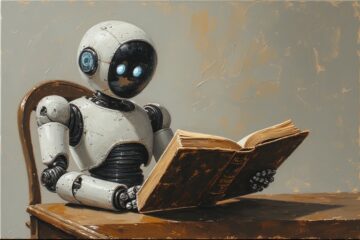
Quantum AI, Interdimensional beings, and the future of the soul

It feels very much as we move into 2026 that the debates about parallel dimensions have finally moved out of late-night chatroom sessions straight into the boardroom (or at least over a coffee before a big meeting!) which, if we are honest, was probably not on our bingo cards. When we talk about dimensions we aren’t just talking about science fiction anymore; we’re talking about empirical reality. This shift has been driven by the sheer, staggering performance of the latest quantum processors, like Google’s Willow chip.
Being Bere-AI-n.

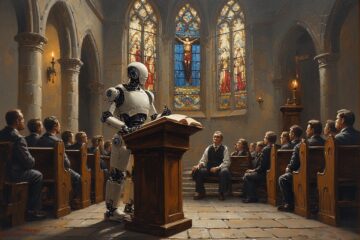
It does seem that in the last year or so the landscape of AI-enabled Christian technology has shifted significantly from experimental early adoption to widespread integration into daily spiritual life and church operations. How should we as Christians approach this rising tide of technology, how do we manage the tension between studying to learn and simply prompting for answers?

The manger calls us to repent and believe

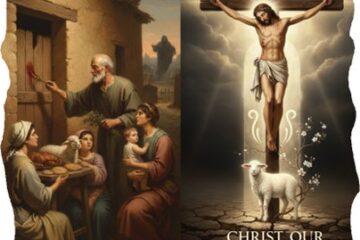
One can sense even more so as we sit here in 2025, a deep longing for peace, a hushed expectancy in homes and churches across the land, an excitement that finds its focus in a single point in human history where a child in a manger in Bethlehem (the ‘House of Bread’) born to die, bears the weight of humanity’s sin.

Breadcrumbs from Bethlehem to the Messiah

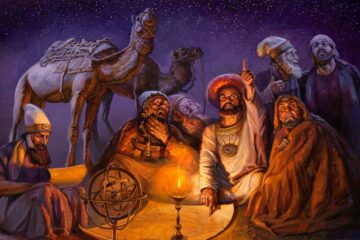
As the days grow short and the year turns towards its end, our thoughts and our liturgies naturally and inevitably drift towards that small Judean town whose name echoes through the centuries. We picture a stable, a star, a mother and her child. Yet within that familiar scene lies a deeper, more nourishing narrative waiting to be traced, a trail of meaning that leads from ancient grain fields to the very heart of our worship.